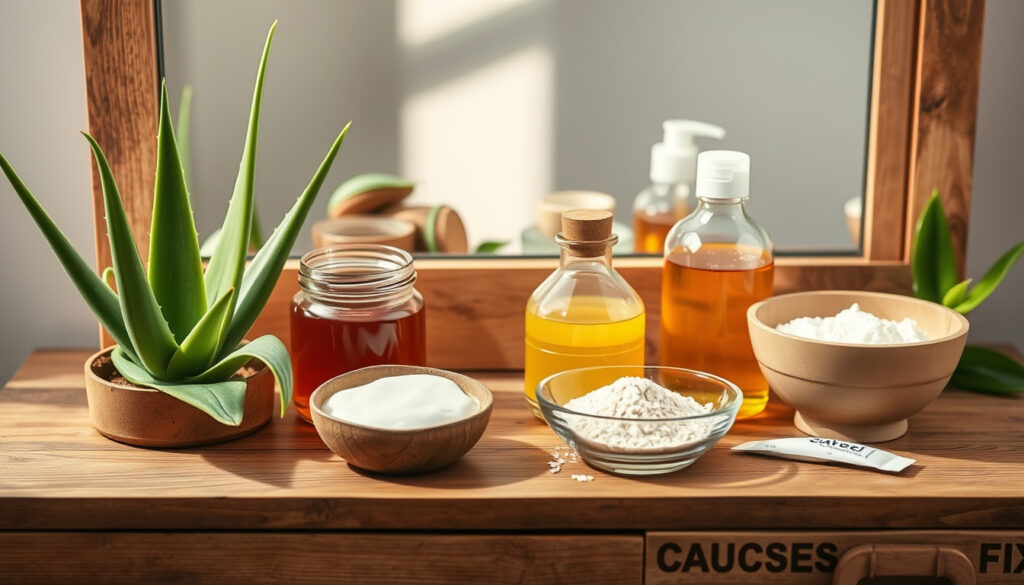
Dry Skin on the Face: Causes, Fixes & Home Remedies
If you’ve ever caught your reflection midwinter and wondered why your face looks and feels like parchment, you’re not alone. Dry skin on the face is one of the most common complaints dermatologists hear, and the fixes are often simpler than the elaborate skincare routines you’d expect. The good news: most cases respond well to a handful of evidence-backed changes. Here’s how to tackle it, step by step.
Recommended shower duration: 5-10 minutes ·
Common trigger: Harsh soaps ·
Medical term: Xerosis ·
Top prevention: Gentle cleanser
Quick snapshot
- Gentle cleansers relieve dryness per American Academy of Dermatology
- Warm short showers recommended by AAD dermatologists
- Exact vitamin D deficiency prevalence for facial dry skin remains understudied
- Improvement typically visible within 1-2 weeks of consistent care, per AAD dermatologists
- Long-term management prevents recurrence
- Medical review warranted if underlying condition suspected
The table below consolidates the most actionable clinical terms and triggers identified by leading dermatology authorities.
| Label | Value |
|---|---|
| Medical name | Xerosis or xeroderma |
| Key trigger | Cold or dry weather |
| AAD tip 1 | Gentle cleanser |
| Mayo cause | Harsh soaps |
How do I fix dry skin on my face?
A consistent morning and evening routine does more for dry facial skin than any single miracle product. Dermatologists break the fix into three layers: cleansing, treatment serums, and barrier protection.
Gentle cleansing routine
The American Academy of Dermatology recommends limiting baths and showers to five to ten minutes using warm water and a gentle, low-foaming cleanser. High-pH soaps strip the skin’s natural oils faster than the barrier can replenishment them, which triggers the tight, flaky feeling that defines xerosis. Pat your face dry with a soft towel rather than rubbing, and apply moisturizer while the skin is still slightly damp to seal in hydration.
Hydrating serums and moisturizers
After cleansing, a humectant serum draws moisture into the skin. Hyaluronic acid is one of the most studied humectants and is well tolerated on facial skin. Follow with a cream or ointment moisturizer to create an occlusive seal. For very dry areas, applying a thin layer of petroleum jelly overnight can dramatically reduce transepidermal water loss. Healthline notes that coconut oil and petroleum jelly are among the most effective home remedies for dry skin, with research dating back to studies on colloidal oatmeal published as early as 2015.
Daily prevention habits
Harvard Health recommends running a humidifier during winter months when indoor heating systems strip moisture from the air. Limiting baths to one brief shower daily also helps preserve the skin barrier. Sunscreen matters year-round: UV radiation depletes vitamin E in the skin by approximately 50%, weakening the lipid barrier that keeps moisture in.
What this means: layering these three protective mechanisms—cleanse, hydrate, seal—creates a self-reinforcing cycle where each step amplifies the effectiveness of the others.
Which deficiency causes dry face?
Nutritional shortfalls show up in the skin faster than almost any other organ. The American Academy of Dermatology explicitly states that deficiencies in vitamin D, vitamin A, niacin, zinc, or iron can each cause excessively dry skin. Multiple studies link specific vitamin shortages to distinct skin presentations.
Vitamin deficiencies linked to dry skin
Vitamin A deficiency leads to hyperkeratosis, a condition where skin cells accumulate in rough, scaly patches on the face. According to research published in the Cleveland Clinic Journal of Medicine (vol. 83, no. 10, October 2015), vitamin A deficiency manifests as phrynoderma, nicknamed “toad skin.” Vitamin E deficiency damages the lipid barrier, increasing transepidermal water loss and leaving skin tight and rough. Biotin (vitamin B7) deficiency causes seborrheic dermatitis with scaly patches around the nose, mouth, and eyebrows.
Other nutritional factors
Zinc deficiency leads to dry, irritated skin; food sources include oysters, beef, and nuts according to WellMed Healthcare. Iron deficiency can cause anemia-related rashes alongside generalized dryness. Omega-3 fatty acid deficiency mimics eczema symptoms including dry, flaky patches and peeling fingertips, according to CentraState Health. Niacin deficiency is also associated with dry, dull skin. Addressing these through diet or supplementation, where warranted, can improve skin hydration from the inside out.
The pattern: most skin-affecting micronutrients work synergistically rather than in isolation, meaning single-nutrient supplementation rarely resolves dryness if other gaps remain.
Can I put vaseline on my face for dry skin?
Yes, and dermatologists and skincare enthusiasts alike have embraced the practice—sometimes with dramatically different results depending on skin type and application technique.
What is slugging?
Slugging refers to applying a thick occlusive product, traditionally petroleum jelly, over moisturizer to create a protective seal overnight. The name comes from the glistening, slug-like sheen it leaves on the skin. This technique borrows from Korean skincare routines, where applying a thin layer of petroleum jelly as the final step of a nighttime regimen has been common for years.
Benefits and how-to
Petroleum jelly is virtually impermeable to water, making it one of the most effective occlusive agents available. The American Academy of Dermatology lists petroleum jelly among its recommended home remedies for dry skin. For best results, apply your moisturizer or hydrating serum first, then seal it with a thin layer of petroleum jelly. Thick application is unnecessary and can feel uncomfortably heavy. Users with acne-prone skin should test the method cautiously, as trapping oil underneath a completely occlusive barrier can trigger breakouts in some individuals.
Petroleum jelly is inert and won’t feed your skin—it simply locks in whatever moisture is already there. Apply it last, over your humectant and moisturizer, never underneath.
What is dry face a symptom of?
Dry facial skin is rarely standalone. In many cases, it signals external triggers, product-related irritation, or an underlying condition that warrants medical attention.
Environmental triggers
Cold, dry weather is the most common seasonal culprit. Low outdoor temperatures reduce air moisture, and heated indoor air compounds the problem, according to the American Academy of Dermatology. Sun damage degrades the skin barrier over time, increasing susceptibility to dryness. Winter conditions in northern climates create a double hit: cold air outside and forced heating inside.
Product-related causes
Harsh soaps, alcohol-based toners, and exfoliating scrubs with sharp particles all compromise the skin barrier. Fragrance in skincare products is a frequent irritant that accelerates moisture loss. Overbathing—more than once daily or longer than ten minutes per session—worsens xerosis significantly. Medical News Today cites sunflower seed oil, oatmeal baths, and petroleum jelly as evidence-based options that treat xerosis without the risks of harsh chemicals.
Environmental dryness is largely unavoidable without climate control; product-related dryness is entirely within your control. Reviewing each product in your routine for fragrance and high pH is the single most impactful step most people skip.
The implication: most readers can eliminate product-induced dryness within days by auditing their current skincare lineup—a faster path to relief than waiting for environmental conditions to change.
Does dry skin ever go away?
For most people, dry facial skin is manageable rather than permanent. The timeline depends on the cause and how consistently you apply the right interventions.
Treatment timelines
Environmental or product-related dryness typically improves within one to two weeks of switching to a gentler routine. Colloidal oatmeal studies, including research published in 2020 and 2021, demonstrate measurable improvements in skin barrier function. Nutritional deficiencies may take longer to resolve, as skin cell turnover averages about 28 days. Supplementing a known deficiency while using topical barrier repair products accelerates visible results.
Long-term management
Once the acute phase resolves, maintenance is straightforward: gentle cleanser, daily moisturizer with SPF, and attention to indoor humidity during dry seasons. The Cleveland Clinic Journal of Medicine notes that ongoing vitamin A deficiency can perpetuate dry skin unless dietary sources or supplementation address the root cause. For individuals with diabetes, thyroid disease, or kidney conditions requiring dialysis, dry skin may be chronic and requires coordinated care with a healthcare provider.
The catch: patients with diabetes or thyroid disease should not expect topical treatments alone to resolve dryness—the underlying metabolic condition must be addressed in parallel.
How to treat dry skin on face at home
Home remedies offer real relief when formulated and applied correctly. Several ingredients have enough scientific backing to stand alongside conventional skincare products.
- Coconut oil: Penetrates deep into skin layers due to natural fatty acids; apply thinly overnight on damp skin.
- Honey and glycerin mask: Draws moisture into skin; mix 2 tablespoons of honey with 1 teaspoon of glycerin and leave on overnight.
- Fresh aloe vera gel: Repairs damaged skin cells overnight; apply generously and let absorb fully.
- Colloidal oatmeal bath: Soak for 15-30 minutes; research from 2015 confirms its antioxidant and anti-inflammatory properties.
- Avocado mask: Hydrates with a creamy texture; mash half an avocado and apply for 20 minutes.
- Milk and oatmeal mask: Uses lactic acid for gentle exfoliation and oats for soothing; apply for 15 minutes before bed.
Affordable ingredients like coconut oil and oatmeal have decades of supportive evidence. The key is consistency—single applications rarely deliver lasting results.
What this means: readers who select one or two remedies and apply them consistently over two weeks will likely see better outcomes than those who rotate through all six sporadically.
Evidence and expert perspectives
Two authoritative voices anchor the clinical guidance on facial dry skin: the American Academy of Dermatology and the Cleveland Clinic Journal of Medicine. Their recommendations are consistently cited across peer-reviewed and consumer-facing dermatology resources.
“If you’re not getting enough vitamin D, vitamin A, niacin, zinc, or iron, you can develop excessively dry skin.”
— American Academy of Dermatology (dermatology authority)
“Colloidal oatmeal has antioxidants and anti-inflammatory properties that soothe irritation.”
— Dr. Sarah Taylor, M.D., FAAD, via Healthline (medically reviewed resource)
Upsides
- Gentle cleansers and short showers are simple, low-cost changes
- Many home remedies use pantry ingredients
- Improvement typically visible within 1-2 weeks
- Colloidal oatmeal and petroleum jelly have strong evidence bases
Downsides
- Nutritional deficiencies require dietary changes, not just topical care
- Slugging with petroleum jelly can trigger breakouts in acne-prone skin
- Underlying conditions like diabetes need medical management alongside skin care
- Environmental triggers are hard to avoid without climate control
For most people with dry facial skin, the path forward is clear: swap harsh products for gentle alternatives, lock in moisture with a layered routine, and address nutritional shortfalls through food or supplementation where a deficiency is confirmed. For those with chronic conditions like diabetes or thyroid disease, skin care is a complement to—not a replacement for—medical treatment.
Related reading: Eye Drops for Dry Eyes · Why Do I Bruise So Easily?
id.loccitane.com, nanospace.store, wellbeingnutrition.com, wellmedhealthcare.com, medicalnewstoday.com, carecredit.com, theaccesshealthcare.com, ccjm.org, centrastate.com
Pairing gentle cleansers with best moisturizers for dry skin helps rebuild the skin barrier and prevents facial dryness from returning overnight.
Frequently asked questions
How to cure dry skin on face overnight?
Apply a humectant serum followed by a moisturizer to damp skin, then seal with a thin layer of petroleum jelly. This layered approach maximizes overnight hydration. Alternatively, a honey and glycerin mask (2 tablespoons honey : 1 teaspoon glycerin) left on overnight draws moisture into the skin effectively.
How to treat dry skin on face home remedies?
Colloidal oatmeal baths, coconut oil applications, and fresh aloe vera gel are among the most evidence-backed options. Apply coconut oil or aloe vera to damp skin before bed for best absorption. Limit baths to 5-10 minutes with warm water and a gentle cleanser.
What to use for dry skin on face?
A gentle, low-foaming cleanser; a humectant serum like hyaluronic acid; and an occlusive moisturizer or cream. For very dry areas, petroleum jelly overnight provides an extra barrier. Avoid products with high pH, alcohol, or added fragrance.
Is dry skin on face common in men?
Yes. Men shave facial hair, which can irritate the skin barrier and exacerbate dryness. Shaving with a dull blade or alcohol-based aftershave worsens the problem. Using a moisturizing shaving cream and a gentle, fragrance-free aftershave balm helps reduce irritation.
What are signs of vitamin D deficiency?
The American Academy of Dermatology links vitamin D deficiency to excessively dry skin. Other systemic signs include bone pain, muscle weakness, and fatigue. A blood test from a healthcare provider confirms deficiency levels. Dietary sources include fatty fish, egg yolks, and fortified foods.
Why slug Vaseline at night?
Slugging seals in whatever moisture is already on your skin by creating an impermeable barrier. Petroleum jelly is approximately 100% occlusive, meaning it prevents transepidermal water loss more effectively than most creams. Apply it as the final step, over your moisturizer or hydrating serum.
What cream for dry skin on face?
Look for creams containing ceramides, hyaluronic acid, or petrolatum. The American Academy of Dermatology specifically recommends gentle cleansers, and Medical News Today cites sunflower seed oil and colloidal oatmeal as effective treatments. A cream with a cream-to-ointment consistency works best for severely dry skin.
More related posts
 Birmingham vs Norwich City – Blues Win 2-1 Extends Unbeaten Run
 Andy Byron: Coldplay Kiss Cam Scandal and Aftermath
 Now You See Me Now You Don’t: 2025 Release, Cast & Reviews
 BBC Scottish Football Gossip: Latest Rumors & Transfers
 Ipswich Town vs Derby County: Prediction, Results, Stats
 Sell My Car DVLA: How to Notify DVLA After Selling
 Helen Skelton Outdoors Happiness: How She Found Joy After Divorce
 Curtis Jones: Full Biography, Career, Stats & Achievements