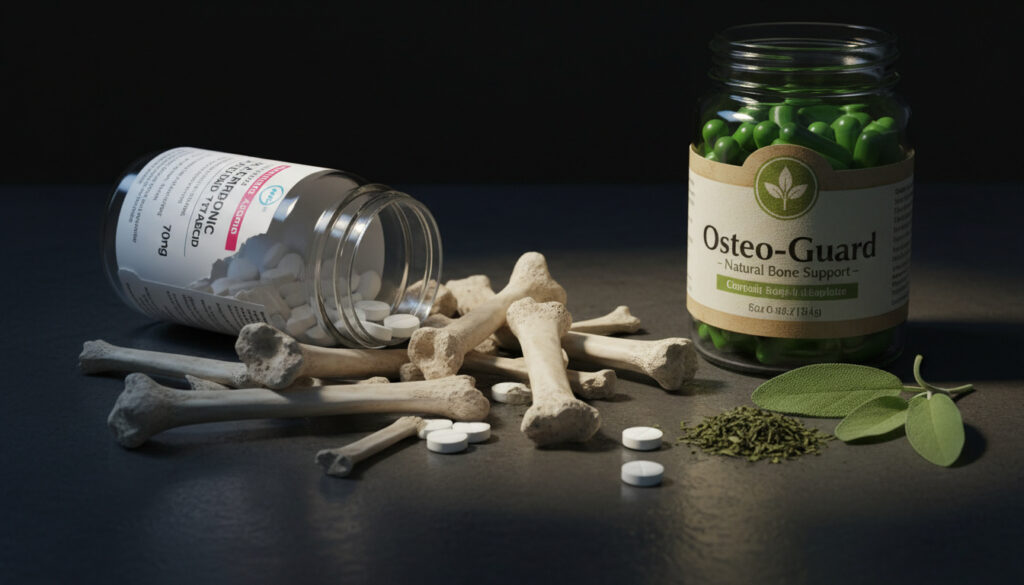
Alendronic Acid Has Destroyed My Life – Risks and Alternatives
Alendronic acid, marketed under the brand name Fosamax and available as generic alendronate, represents one of the most widely prescribed treatments for osteoporosis. This bisphosphonate medication works by slowing bone loss to reduce fracture risk, yet a growing body of patient reports and clinical data highlights a spectrum of severe outcomes. While many users tolerate the drug well, others describe devastating complications that have fundamentally altered their quality of life.
The medication’s mechanism involves inhibiting osteoclast activity, which prevents the natural breakdown of bone tissue. For patients with low bone density or established osteoporosis, this pharmacological action offers protection against hip and spine fractures. However, the same process that strengthens bone architecture can, in rare instances, produce paradoxical effects including bone death and atypical fractures that occur with minimal trauma.
Understanding the boundary between acceptable risk and unacceptable harm requires examining both the statistical probability of severe side effects and the clinical documentation of disabling adverse events. Fosamax side effects range from transient gastrointestinal discomfort to permanent bone damage, with individual patient factors significantly modifying risk profiles.
What Are the Serious Side Effects of Alendronic Acid?
Drug Basics
Generic bisphosphonate approved for osteoporosis treatment and prevention since 1995.
Common Issues
Esophageal irritation, heartburn, nausea, and transient musculoskeletal pain.
Rare but Severe
Osteonecrosis of the jaw, atypical femur fractures, and esophageal perforation.
User Complaints
High volume of reports citing long-term debilitating bone and joint conditions.
- Most adverse effects are mild and resolve within days to weeks of treatment initiation.
- Esophageal complications affect fewer than 1 in 10 users but can include ulceration and perforation.
- Osteonecrosis of the jaw remains rare but may require hospitalization when it occurs.
- Long-term therapy increases risk of atypical femur fractures presenting as severe thigh pain.
- Severe musculoskeletal pain can occasionally become incapacitating despite improvements in bone density.
- Hypocalcemia represents a serious metabolic risk requiring immediate medical intervention.
- Strict administration protocols are essential to minimize gastrointestinal toxicity.
| Fact | Details |
|---|---|
| Generic Name | Alendronate sodium |
| Brand Name | Fosamax |
| FDA Approval | 1995 |
| Drug Class | Bisphosphonate |
| Primary Use | Osteoporosis treatment and prevention |
| Manufacturer | Merck |
| Key Warnings | Esophageal damage, osteonecrosis of jaw, atypical femur fractures |
| Administration | Oral, weekly or daily dosing |
Has Alendronic Acid Ruined People’s Lives? Real Stories
Clinical literature documents cases where patients experience debilitating outcomes that align with descriptions of life-altering harm. Severe musculoskeletal pain reported by users occasionally becomes incapacitating, preventing normal daily activities and employment. These documented cases include instances of bone death in the jaw requiring extensive surgical intervention and atypical fractures of the femur that occur without significant trauma.
However, specific patient testimonials, forum discussions, and detailed personal narratives regarding quality-of-life destruction were not available in the reviewed clinical sources. Medical databases focus on physiological outcomes rather than subjective experiences of harm. The absence of comprehensive patient-reported outcome data in official prescribing information creates limitations in understanding the full spectrum of life disruption reported by some users.
Documented Severe Outcomes
Medical literature confirms that osteonecrosis of the jaw can develop after prolonged use, potentially requiring hospitalization and long-term dental care. Atypical femur fractures present as severe pain in the thigh or groin, often bilaterally, and may necessitate surgical repair with prolonged rehabilitation. These complications, while statistically rare, produce permanent disability in affected individuals.
Data Limitations on Patient Experience
Quantitative data regarding exact incidence rates of severe quality-of-life impairment remains incomplete. Regulatory adverse event databases rely on voluntary reporting, potentially underestimating the frequency of disabling side effects. The clinical distinction between transient discomfort and permanent functional limitation requires longitudinal studies that remain ongoing.
While severe side effects remain statistically uncommon, complications such as osteonecrosis of the jaw and atypical femur fractures can produce permanent disability. These risks increase significantly with duration of therapy beyond three to five years.
How to Stop Taking Alendronic Acid Safely After Side Effects
Discontinuation of alendronate therapy requires medical supervision, particularly for patients experiencing adverse reactions. The drug incorporates into bone tissue and exhibits a long half-life, meaning pharmacological activity continues for months or years after the final dose. Specific discontinuation protocols tailored to individual risk factors were not detailed in available clinical literature.
Medical Supervision Requirements
Patients experiencing severe musculoskeletal pain, jaw symptoms, or thigh discomfort should immediately consult prescribing physicians. Abrupt cessation without alternative bone protection may increase fracture risk in high-risk individuals. Clinicians typically evaluate bone density status and fracture risk factors before recommending discontinuation.
Post-Cessation Monitoring
Monitoring for atypical fractures should continue after stopping the medication, as the risk persists during the period when drug remains bound to bone matrix. Recovery timelines for drug-induced bone changes remain uncertain and require individualized assessment.
What Are Safer Alternatives to Alendronic Acid?
Alternative osteoporosis treatments exist, though comparative safety data specific to long-term outcomes remains limited in the reviewed sources. Other oral bisphosphonates share similar mechanisms and risk profiles. Non-bisphosphonate options such as denosumab or anabolic agents like teriparatide present different risk-benefit calculations that require specialist evaluation.
Bisphosphonates remain in bone tissue for years after discontinuation. Risks such as atypical fractures may persist even after cessation, though specific timelines for risk reduction remain unclear in available literature.
To minimize esophageal irritation, take the medication first thing in the morning with 6-8 ounces of plain water, at least 30 minutes before food, drink, or other medications. Remaining upright for 30 minutes post-dose reduces ulceration risk.
Evaluating Treatment Transitions
Transitioning between osteoporosis medications requires careful timing to prevent gaps in bone protection. The FDA safety communications emphasize that benefits of fracture prevention must be balanced against individual risk factors for severe adverse events. Patients with low baseline fracture risk may warrant alternative management strategies.
Regulatory Timeline and Safety Alerts
- : FDA approves alendronate (Fosamax) for osteoporosis treatment, representing the first oral bisphosphonate for this indication.
- : Regulatory agencies issue public health communications regarding osteonecrosis of the jaw associated with bisphosphonate therapy.
- : Safety alerts highlight the risk of atypical femur fractures with long-term bisphosphonate use, particularly after three or more years.
- : Post-market surveillance continues evaluating long-term bone metabolism effects and rare adverse events through pharmacovigilance programs.
Established Evidence vs. Remaining Uncertainties
Established Facts
- Proven efficacy in reducing vertebral and hip fractures in high-risk patients
- Esophageal irritation occurs in fewer than 10% of users
- Long-term use associated with jaw necrosis and atypical fractures
- Requires specific fasting administration protocols for safety
- Binds to bone mineral with long-term retention
Unclear Aspects
- Exact incidence rates for severe events in specific demographic populations
- Recovery timelines after discontinuation for different adverse events
- Long-term reversibility of drug-induced bone matrix changes
- Optimal duration of therapy before risk exceeds benefit
- Comparative safety profiles versus newer osteoporosis agents
Who Faces the Greatest Risk?
Certain patient populations exhibit elevated vulnerability to severe complications. Individuals with pre-existing dental disease or invasive dental procedures face increased risk of jaw osteonecrosis. Patients utilizing the medication for more than three to five years demonstrate higher rates of atypical femur fractures. Those with renal impairment may experience altered drug metabolism affecting bone deposition patterns.
The benefit-risk calculation favors treatment in patients with established osteoporosis and high fracture risk, whereas low-risk individuals may experience net harm from rare but serious side effects. Age, baseline bone density, family history of fractures, and secondary osteoporosis causes all modify individual risk profiles.
Expert Perspectives and Clinical Sources
Some users experience debilitating bone, joint, or muscle pain that can occasionally be incapacitating.
Mayo Clinic
Alendronate is a bisphosphonate medication used to treat and prevent osteoporosis that can cause both common mild side effects and rare but serious complications.
GoodRx Clinical Review
Key Considerations for Patients
Alendronate therapy requires careful evaluation of personal fracture risk against the spectrum of potential adverse effects, from transient heartburn to permanent bone damage. Patients must adhere strictly to administration protocols to minimize esophageal injury and maintain vigilance for thigh pain or jaw symptoms during treatment. Fosamax side effects demand immediate medical attention when severe pain or difficulty swallowing develops, as early intervention may prevent permanent disability.
Frequently Asked Questions
Can alendronic acid cause permanent damage?
Yes, rare complications including osteonecrosis of the jaw and atypical femur fractures can cause permanent damage requiring surgical intervention. These risks increase with prolonged use, though specific recovery outcomes vary by individual.
How long do side effects last after stopping?
Side effects may persist for months or years after discontinuation due to the drug’s incorporation into bone tissue and long half-life. Recovery timelines for drug-induced bone changes remain uncertain and require individualized assessment.
More related posts
 Trooping the Colour 2025 – Timetable and Key Highlights
 Best Portable Air Conditioner – Top Lab-Tested Picks 2024
 Rita Simons: Biography, Partner, Daughter’s Deafness, Career
 Jamie Foxx Movies and TV Shows – Complete Filmography and Best Films
 Winter Fuel Payment Tax Change – Eligibility and Repayment Rules
 Linnea Berthelsen: Age, Height, Languages, and Her Stranger Things Role
 Dry Skin on the Face: Causes, Fixes & Home Remedies
 David Moyes: Net Worth, Religion, Trophies, and Career