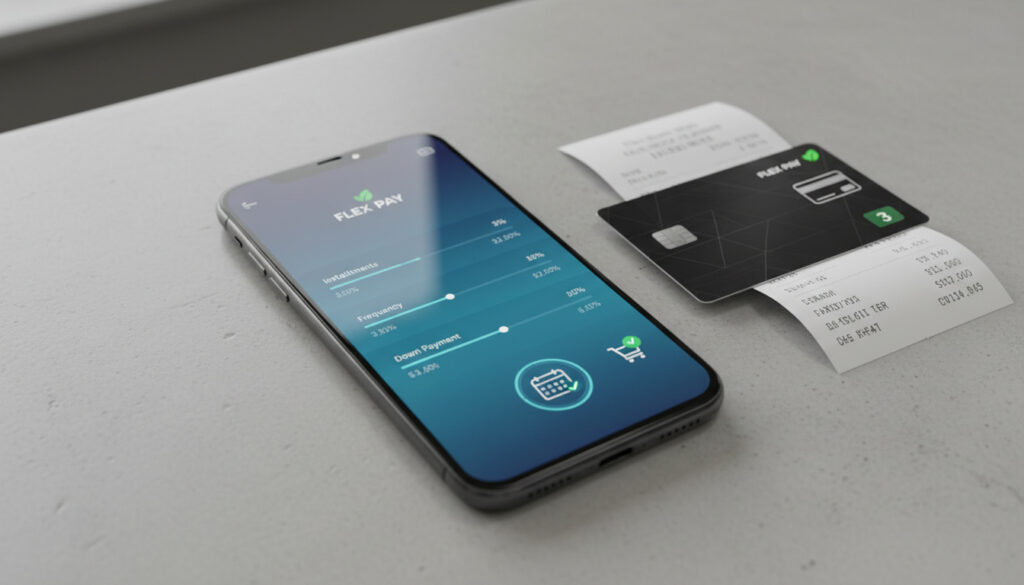
How Does Zilch Work – Your Guide to Flexible Payments
Zilch has carved out a distinct niche in the Buy Now Pay Later market by eliminating the traditional constraint of merchant partnerships. Unlike competitors that require stores to integrate their technology, Zilch operates as a virtual Mastercard, enabling users to split payments at virtually any retailer that accepts card payments. This approach has attracted millions of customers in the UK, seeking flexibility without the limitations of closed-loop BNPL systems.
Core Features
Virtual Card Technology
Users access a digital Mastercard through the Zilch app, generating single-use card numbers for each transaction.
Universal Acceptance
The card works at any online or physical store accepting Mastercard, including supermarkets and independent retailers.
Interest-Free Structure
Repayments split into four equal instalments over six weeks carry no interest charges when paid on schedule.
Soft Credit Checks
Initial eligibility assessments use soft searches that do not appear on credit files or affect credit scores.
Strategic Differentiation
The Financial Conduct Authority’s regulatory framework covers Zilch, distinguishing it from unregulated BNPL operators. This oversight mandates affordability checks and complaint handling procedures that protect consumers from accumulating unmanageable debt. Furthermore, Zilch’s merchant-agnostic model allows users to manage essential spending, such as groceries or fuel, through instalment plans—functionality largely unavailable through retailer-specific BNPL services.
However, this flexibility introduces distinct risks. Citizens Advice research indicates that BNPL users frequently underestimate their total indebtedness when juggling multiple providers. Zilch’s ubiquitous availability potentially exacerbates this difficulty, as consumers may struggle to track spending across everyday transactions.
Comparative Costs
| Provider | Interest Rate | Late Fees | Merchant Requirements |
|---|---|---|---|
| Zilch | 0% (if on time) | Up to £6 per missed payment | Any Mastercard retailer |
| Credit Card | 19-24% APR typical | £12+ plus interest | Universal |
| Traditional BNPL | 0% (if on time) | £7-£8 per late instalment | Partner retailers only |
Operational Mechanics
Registration requires users to download the Zilch application and complete identity verification. The platform conducts soft credit checks to establish spending limits, typically starting between £50 and £300 for new users. Responsible usage gradually increases these limits.
At checkout, users select their preferred payment method within the app—either “Pay in 4” for six-week instalments or “Pay in 3” for monthly payments over three months. The latter option involves interest charges, making the standard four-payment structure the more economical choice for most consumers.
Repayment Schedule
The standard payment plan follows a precise calendar. The first instalment, comprising 25% of the total purchase, is charged immediately to the user’s linked debit card. Subsequent payments occur automatically at two-week intervals: day 14, day 28, and day 42. Missing these scheduled payments incurs a £6 penalty per failed instalment, capped at 50% of the original order value.
Financial Implications
While Zilch promotes interest-free borrowing, the service is not cost-free for delinquent accounts. Persistent missed payments result in account suspension and potential reporting to credit reference agencies, damaging future borrowing prospects. Users should note that utilising Zilch for everyday essentials may mask underlying budget deficits rather than solving them.
Market Position
Among other BNPL providers, Zilch occupies a unique position by functioning as a payment method rather than a checkout integration. This model reduces merchant friction but places full responsibility for debt collection on the consumer. The company’s Which? review highlights both the convenience of universal acceptance and the danger of overextension when payment delays become habitual.
Regulatory changes anticipated in 2026 will likely subject all BNPL providers to identical oversight standards, potentially eroding Zilch’s competitive advantage if regulated BNPL services become universal. Currently, however, the platform remains one of few options for instalment payments at non-partnered retailers.
User Perspectives
The ability to spread the cost of my weekly shop helped during an unexpected expense month, but I had to set strict reminders to avoid the late fees.
— Zilch user, London
Virtual card BNPL represents the next evolution of consumer credit, combining the ubiquity of card networks with the appeal of instalment payments.
— Financial Services Analyst
Key Considerations
Zilch offers genuine utility for disciplined consumers managing cash flow between paydays, particularly given its acceptance at essential retailers. The six-week repayment window suits short-term liquidity needs better than credit cards carrying revolving debt. However, the ease of access requires rigorous self-monitoring to prevent fee accumulation and credit damage.
Common Questions
Does Zilch charge interest?
The standard “Pay in 4” option charges no interest if payments arrive on schedule. The “Pay in 3” monthly plan incurs interest charges. Late payments attract fees up to £6 per missed instalment.
Will using Zilch affect my credit score?
Zilch performs soft credit checks during application that do not appear on your credit file. However, missed payments may be reported to credit reference agencies, negatively impacting your score.
Where can I use Zilch?
The virtual Mastercard functions at any online or physical retailer accepting Mastercard, including supermarkets, petrol stations, and independent shops, unlike competitor services limited to partnered merchants.
What happens if I miss a payment?
Zilch charges £6 for each missed instalment, up to a maximum of 50% of your order value. Persistent non-payment results in account suspension and potential debt collection proceedings.
More related posts
 Angle PLC Share Price: Live CLBX (AGL) Updates & Charts
 Cast of Wolf Man (2025 Film): Julia Garner Confirmed
 Pensioner Benefits Not Claimed – Trace and Claim Lost UK Pensions
 Chris Jericho: AEW Career, WWE Exit & Real Life
 Current Green Party Leaders in Ireland and England
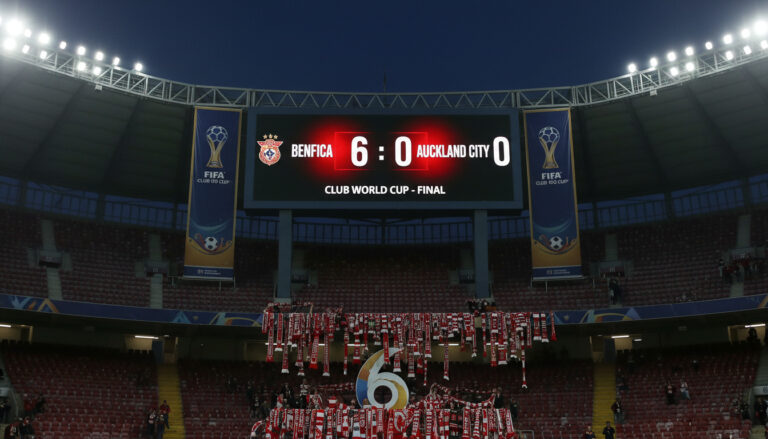 Benfica vs Auckland City – 6-0 Club World Cup Rout
 Alendronic Acid Has Destroyed My Life – Risks and Alternatives