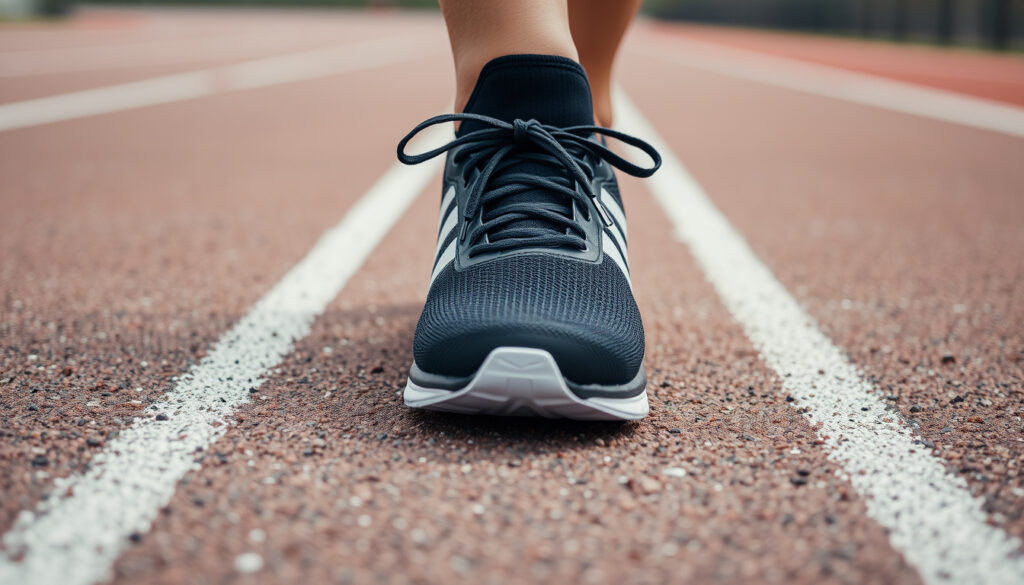
Adidas Adizero Evo SL Review: Speed Shoe on a Budget
You don’t have to spend €200 to get a shoe that feels fast. The Adidas Adizero Evo SL borrows the same Lightstrike Pro foam found in the brand’s record-breaking marathon racers but skips the carbon plate—and the premium price tag. This guide breaks down everything you need to know: what it’s good for, who should buy it, and how it stacks up against alternatives from HOKA and Nike.
Retail Price (typical): €119–€150 ·
Weight (claimed per shoe): ~220 g (men’s size 9) ·
Midsole Technology: Lightstrike Pro + EVA blend ·
Stack Height (heel/toe): 33 mm / 27 mm (6 mm drop) ·
Outsole Rubber Coverage: Continental rubber forefoot and heel pads ·
Heel Fit: Regular fit with lace closure
Quick snapshot
- Midsole uses full Lightstrike Pro foam (Running Shoes Guru)
- Retail price between €119 and €150 (RunRepeat)
- Weight approx. 224 g for US men’s 9 (Believe in the Run)
- Continental rubber outsole forefoot patch (Believe in the Run)
- Long-term durability of the upper material
- Exact user satisfaction rate for marathon distances
- Official Adidas statement on beginner suitability
- Launched 2024 as part of the Adizero line (Running Shoes Guru)
- By 2025 available in multiple colorways across Europe (Running Shoes Guru)
- Expected to become a staple in Adidas’s speed-training lineup
- Potential successor or Pro version with carbon rods in future
The Adizero Evo SL sits at an interesting intersection: four key specs that define its character.
| Specification | Value |
|---|---|
| Release Year | 2024 |
| Original Retail Price | €150 |
| Technology Highlight | Lightstrike Pro foam (no carbon plate) |
| Shoe Type | Speed-oriented daily trainer |
| Weight (US men’s 9) | ~224 g (7.9 oz) per Believe in the Run |
| Stack Height (heel/forefoot) | 38 mm / 32 mm per Believe in the Run; 6 mm drop |
| Outsole | Continental rubber forefoot and heel pads |
| Upper Material | Synthetic and textile weave |
| Stability Features | None — neutral platform |
| Best Uses | Tempo runs, 5K to half-marathon, daily training for efficient runners |
What Is the Adizero Evo SL Good For?
Daily training and tempo runs
- Borrows Lightstrike Pro foam from the Adizero Adios Pro series, giving it a responsive, bouncy ride (Believe in the Run)
- Suitable for neutral runners seeking a responsive feel without the stiffness of a carbon plate (Running Shoes Guru)
- Not designed for recovery or easy jogging — the forefoot is firm and rewards faster pacing (Running Shoes Guru)
The implication: this shoe asks you to run at a certain pace to unlock its character, making it a poor match for casual plodders.
Race-day simulation without carbon plate
- No carbon fiber rods or plate — the ride is pure foam, giving a natural foot feel (Believe in the Run)
- Great for practicing race pace in training without the propulsive crutch of a super shoe (Running Shoes Guru)
Runners who want a snappy, ground-connected feel for speed work get a bargain at €150. Those who need plush cushioning for recovery days should look elsewhere — the Evo SL rewards effort, not relaxation.
What Is the Adizero Evo SL Equivalent To?
Nike Pegasus Turbo
- Both are lightweight daily trainers with responsive foams (ZoomX for Pegasus Turbo vs Lightstrike Pro) and no plate — positioned between a daily trainer and a speed shoe (Running Shoes Guru)
New Balance Fresh Foam X 1080
- Both use proprietary foams, but the 1080 is heavier and softer — the Evo SL is more ground-connected and snappier (Running Shoes Guru)
The competitive set includes the HOKA Mach 6, Brooks Hyperion, and Saucony Kinvara — all unplated, foam-first trainers targeting the same £120–£150 sweet spot.
Is the Adizero Evo SL a Good Shoe for Beginners?
Cushioning and stability for new runners
- The lightweight and responsive feel may feel unstable for some beginners — especially those with inefficient stride mechanics (Running Shoes Guru)
- Suitable if stride is already efficient; the shoe offers no major stability features (Believe in the Run)
- Recommended for those transitioning from a more cushioned trainer and looking to pick up pace (Running Shoes Guru)
Learning proper running form
- The firmer forefoot provides feedback that helps a runner sense ground contact — useful for form work (Running Shoes Guru)
- Not ideal for runners with wide feet — the upper, though accommodating, is not designed for extra width (Running Shoes Guru)
The catch: beginners who are still developing a midfoot strike may find the firm forefoot harsh after 5 km. The Evo SL is a shoe you grow into, not start with.
Beginner runners who are still developing a midfoot strike may find the firm forefoot harsh after 5 km. The Evo SL is a shoe you grow into, not start with.
Can You Run a Marathon in the Adidas Evo SL?
Performance in long distance
- Possible but not optimized for 42.2 km — the firmness may lead to discomfort after 30 km (Running Shoes Guru)
- Better suited for half-marathon and up to 10K races, where the responsive foam provides a tempo boost without the weight penalty of a heavier trainer (Believe in the Run)
Foot fatigue considerations
- The 6 mm drop and moderate stack (38 mm heel) put more demand on the calves and achilles than a higher-drop trainer (Believe in the Run)
- Experienced marathoners can use it for the first 30 km if they want a lighter, quicker feel early in the race (Running Shoes Guru)
The pattern: the Evo SL is not a marathon shoe unless you’re a very efficient runner willing to trade cushion for speed after 30 km. Most marathoners will prefer a plush carbon-plated model for the full distance, but the Evo SL shines as a half-marathon racer or fast training partner.
Adizero Evo SL vs. HOKA: Which Is Better?
Ride feel: firm vs. plush
- Evo SL is lighter and more ground-connected than typical HOKA models like the Clifton or Mach (Running Shoes Guru)
- HOKA offers more cushioning and inherent stability through its wider base and higher stack (Running Shoes Guru)
- Choice depends on preference for soft vs. firm feel and whether you prioritize speed or comfort (Running Shoes Guru)
Weight and stack height differences
- Evo SL: ~224 g, 38 mm heel stack, 6 mm drop
- HOKA Mach 6: ~230 g, 37 mm heel stack, 5 mm drop — very similar geometry but with a softer, rockered ride (Running Shoes Guru)
Seven key differences in a single comparison.
| Feature | Adizero Evo SL | HOKA Mach 6 |
|---|---|---|
| Midsole foam | Lightstrike Pro (pure) | Profly + (EVA blend) |
| Weight (US men’s 9) | ~224 g | ~230 g |
| Heel stack | 38 mm | 37 mm |
| Drop | 6 mm | 5 mm |
| Cushion feel | Firm, responsive | Plush, rockered |
| Stability | Neutral | Moderate (wider base) |
| Best use | Tempo, speed, uptempo training | Daily running, easy, long |
| Price | €150 | €150 |
The takeaway: if you want a plush, rockered ride for daily miles, the Mach 6 wins. If you want a firmer, more responsive feel for speed work, the Evo SL is your shoe.
What Is the Difference Between Adizero Evo and Adizero SL?
Midsole composition
- Adizero Evo SL uses full Lightstrike Pro foam; Adizero SL uses a Lightstrike EVA blend (Running Shoes Guru)
- Evo SL is speed-oriented; Adizero SL is an entry-level trainer with less bounce (Running Shoes Guru)
Target audience and price
- Evo SL is aimed at runners who want a fast feel without paying for carbon plate technology
- Adizero SL is cheaper (around €100) and heavier — aimed at beginners on a strict budget (RunRepeat)
Six specs that separate the two.
| Specification | Adizero Evo SL | Adizero SL |
|---|---|---|
| Midsole | Lightstrike Pro (full length) | Lightstrike EVA blend |
| Weight (US men’s 9) | ~224 g | ~280 g |
| Stack heel/forefoot | 38 mm / 32 mm | 35 mm / 25 mm |
| Outsole | Continental rubber | Continental rubber (partial) |
| Price | €150 | ~€100 |
| Best use | Tempo, speed, uptempo | Easy daily, entry-level |
The implication: the Evo SL is a deliberate upgrade for runners who outgrow the basic SL and want a speed-oriented ride.
Pros and cons
Upsides
- Excellent value for a full Lightstrike Pro shoe
- Very lightweight and breathable upper
- Versatile for tempo runs, intervals, and even half-marathon racing
- Continental rubber outsole provides reliable grip
- No carbon plate means natural foot movement and lower cost
Downsides
- Firm forefoot may feel harsh on slow paces
- Limited stability features — not recommended for overpronators
- Not ideal for marathon distances due to foam firmness
- Durability of the synthetic upper is unproven long-term
- Fit runs regular to narrow — not suitable for wide feet
What type of runner should buy the Adizero Evo SL?
The Evo SL is a specialist tool for a specific runner: someone who wants the sensation of a race shoe in a package that doesn’t cost race-shoe money. It works best for:
- Neutral gaits with an efficient stride
- Tempo and interval sessions where responsiveness matters
- Racers targeting 5K to half-marathon who want a lightweight alternative to carbon-plated models
- Budget-conscious runners who still want premium foam technology
Confirmed facts vs. Uncertainty
Confirmed facts
- Midsole uses Lightstrike Pro foam (Running Shoes Guru)
- Retail price ranges from €119 to €150 (Running Shoes Guru)
- Weight around 220–224 g for men’s size 9 (Believe in the Run)
- Continental rubber outsole (Believe in the Run)
- No carbon plate or rods (Believe in the Run)
- Stack height varies by source but heel is ~38–39 mm with 38/32 being most cited (Believe in the Run)
What’s unclear
- Long-term durability of the synthetic/knit upper
- Official Adidas guidance on beginner suitability
- User satisfaction rates specifically for marathon distances
- Consistency of stack heights between different production batches
What reviewers say
“Well cushioned, but lively and responsive, not squishy.”
“Inspired by the innovation of record-breaking shoes.”
“One of the most exceptional training shoes of recent years.”
— Running Shoes Guru (running shoe review site)
Summary: Should you buy it?
The Adizero Evo SL delivers a race-day feel at a training-shoe price. It’s not for everyone — the firm forefoot and neutral platform limit its appeal to efficient, neutral runners who value speed over plushness. For the intermediate runner looking to test half-marathon pace without spending €250, the choice is clear: grab the Evo SL for tempo days and save the carbon shoes for race day. For beginners or marathon-first runners, the HOKA Mach 6 or Saucony Ride offers better long-run comfort.
The bottom line: the Evo SL rewards efficient runners who want speed without the premium price tag, but beginners and marathoners should look elsewhere.
Runners looking for an affordable speed trainer should check out our full review of the Adizero Evo SL, which highlights the same Lightstrike Pro foam at a budget-friendly price.
Frequently asked questions
Is the Adizero Evo SL suitable for wide feet?
The upper is moderately accommodating but not designed for wide feet. Most reviewers describe the fit as regular to slightly narrow.
Does the Adizero Evo SL have a carbon plate?
No. The shoe uses full-length Lightstrike Pro foam without any carbon fiber plate or rods, giving it a natural, flexible feel.
How does the Adizero Evo SL compare to the Adios Pro 3?
The Adios Pro 3 has a carbon plate, EnergyRods, and a higher stack for marathon performance. The Evo SL is lighter, cheaper, and intended for speed training rather than full-marathon racing.
What colors is the Adizero Evo SL available in?
As of 2025, common colorways include Pink, Black, Orange, and Purple — with seasonal releases varying by region.
Is the Adizero Evo SL good for walking?
It works for walking but the firm forefoot and low drop make it less comfortable for casual walking all day. It’s optimized for running.
How long does the Adizero Evo SL usually last?
Durability is not yet fully documented, but typical foam trainers last 400–500 km. The Continental outsole should hold up well, but the upper’s long-term wear is still under observation.
More related posts
 Car Dashboard Symbols and Meanings – Complete Guide to Warnings
 Sunrisers Hyderabad vs Royal Challengers Bengaluru Match Scorecard
 Le Creuset Mystery Box – UK Status, Value & Locations
 How Does Zilch Work – Virtual Mastercard BNPL Guide
 Essentials Fear of God: Secular Streetwear Explained
 Kate Nash: Why She Joined OnlyFans and Her Music Career
 James VI and I – Life, Reign, Family and Legacy
 Leeds United vs Crystal Palace FC Standings: H2H & Debt