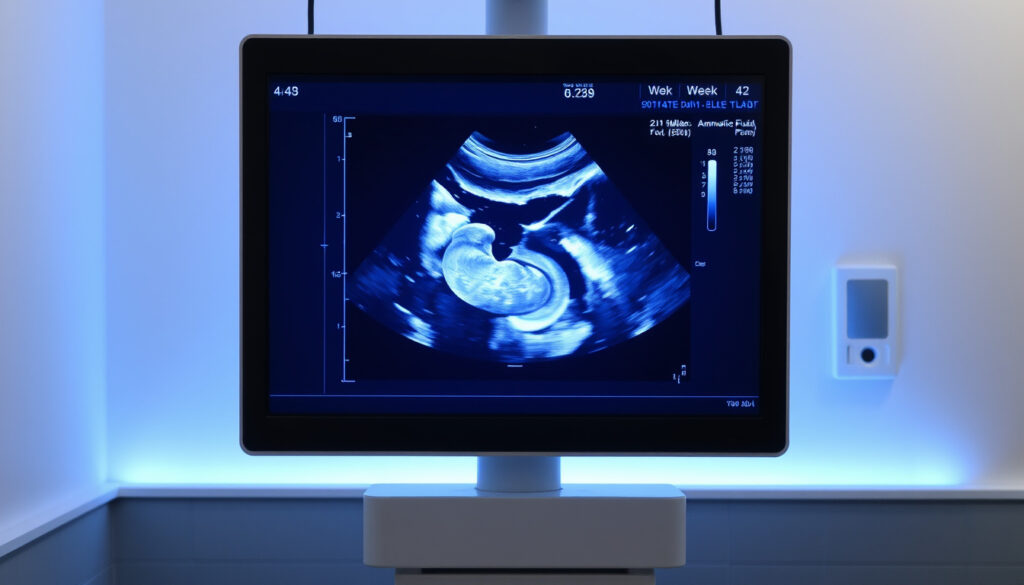
Window to the Womb: Private Pregnancy Scans 6-42 Weeks
For many parents-to-be, the first glimpse of their baby on an ultrasound screen is an unforgettable moment. Window to the Womb brings that experience forward, offering private scans from 6 weeks onwards — a capability that wasn’t widely available even a decade ago. The service operates across 50+ UK clinics, all registered with the Care Quality Commission (CQC), giving parents an official, regulated option for early reassurance. Whether you’re hoping to confirm a heartbeat at 7 weeks or catch an early glimpse before the NHS routine scans kick in, here’s what you need to know about booking a private pregnancy scan.
Scan Gestation Range: 6-42 weeks · Regulatory Status: CQC Registered · Staff Qualifications: Medical Sonographers · Service Rating: 5* on Trustpilot · Clinic Locations: Nationwide UK
Quick snapshot
- Scans possible from 6 weeks gestation (CQC Inspection Summary)
- CQC registration mandatory for all providers (Society of Radiographers)
- Over 50 clinics operating across UK (Boots Health Hub)
- Exact gender accuracy rates before 16 weeks
- Whether “3 lines” always indicates a girl
- Full list of all clinic locations and ratings
- First CQC-licensed private scans: 2010 (Beehive Healthcare)
- CQC re-confirmed registration rules: October 2016 (Beehive Healthcare)
- Window to the Womb Peterborough opened: December 2018 (Beehive Healthcare)
- Window to the Womb Gloucester opened: March 2020 (Beehive Healthcare)
These specifications come from official inspection records and provider documentation.
| Specification | Details |
|---|---|
| Earliest Scan | 6 weeks |
| Latest Scan | 42 weeks |
| Gender Accuracy Peak | From 16 weeks |
| Heartbeat Detectable | 7 weeks+ |
| Minimum Age | 16 years |
| Price Range | £60-£135 |
| Private Baby Scan Studios UK-wide | 200+ |
| CQC Registration Requirement Confirmed | 17 October 2016 |
Is 7 weeks too early for a pregnancy scan?
Not at all. Window to the Womb offers early pregnancy scans from six weeks gestation, according to official CQC inspection records for their Gloucester clinic (CQC Inspection Summary). This means parents can book a scan as early as the end of the second month of pregnancy, well before the standard NHS dating scan at 10-14 weeks.
Heartbeat detection at 7 weeks
By 7 weeks, a fetal heartbeat typically becomes detectable via transvaginal ultrasound. Window to the Womb’s sonographers use this milestone as a key reassurance point during viability scans. The Society of Radiographers confirms that ultrasound providers must register with CQC, ensuring baseline quality standards for procedures like heartbeat detection (Society of Radiographers guidance). For parents who’ve experienced anxiety in early pregnancy, this early confirmation can provide significant peace of mind.
Viability scan details
Viability scans at this stage confirm that the pregnancy is properly implanted in the uterus and progressing normally. The CQC inspection summary states that all Window to the Womb scans are “in addition to NHS pregnancy care pathway” — meaning these private scans complement rather than replace standard NHS monitoring (CQC Inspection Summary). This distinction matters: a private scan result doesn’t substitute for NHS medical records or follow-up care.
At 7 weeks, parents get more than just an image — they get measurable reassurance. Window to the Womb’s CQC-registered status means those early detections meet regulatory standards for diagnostic ultrasound.
For parents seeking early confirmation, this viability milestone provides the first concrete evidence of a progressing pregnancy before NHS dating scans.
Can a 6 week scan detect twins?
Yes, twin detection becomes possible from around 6 weeks, when separate gestational sacs can be identified on ultrasound. The earlier the scan, the more distinct these markers appear before the fetuses grow larger and begin overlapping on screen.
Early twin confirmation
At 6 weeks, a transvaginal ultrasound can often distinguish between one or multiple gestational sacs. By week 8-10, heartbeat patterns for each twin may also become trackable. The Boots Health Hub confirms that Window to the Womb scans range from £60-£135 and cover services from 6-42 weeks, making early twin confirmation accessible to parents who want to know as soon as possible (Boots Health Hub).
Ultrasound accuracy at 6 weeks
According to CQC inspection records, Window to the Womb’s Peterborough clinic serves areas including Peterborough, Ipswich, Nottingham, and Northampton, with services available to women aged 16+ under regulated diagnostic imaging protocols (CQC Inspection Summary). The accuracy of twin detection depends partly on the ultrasound equipment and operator experience — which is why CQC registration verifies that clinics meet minimum standards for diagnostic procedures.
Not all private scan studios maintain the same equipment standards. The BBC reports that while CQC states good quality care exists in many private scan studios, the sector overall is “a growing concern” for regulatory oversight (BBC News). Booking with a CQC-registered provider like Window to the Womb offers better assurance than unregistered alternatives.
The implication is that twin detection from 6 weeks offers parents early clarity, but choosing a CQC-regulated provider significantly improves diagnostic reliability.
Can you tell gender at 15 weeks?
Gender prediction at 15 weeks is possible, but with limitations. External genitalia development reaches a point where skilled sonographers can often identify indicators, though accuracy rates remain lower than scans performed at 16 weeks or later.
Gender prediction timelines
The genital tubercle — the structure that eventually becomes either a penis or clitoris — begins to differentiate around weeks 9-10, but external appearance often remains ambiguous until 14-15 weeks. By 16 weeks, accuracy improves significantly. Window to the Womb’s official site positions their gender scans as available from 16 weeks for peak reliability (Window to the Womb).
Nub theory considerations
The “nub theory” — examining the angle of the genital tubercle at 12-14 weeks — has gained popularity in parenting forums, but sonographers typically caution against using it as a reliable prediction method. At 15 weeks, this technique remains speculative. The more established “three lines” method requires clearer anatomical development that may not yet be definitive at this stage.
What this means for parents is that patience typically rewards them with more reliable gender predictions — the extra week or two after 15 weeks substantially improves accuracy.
Do 3 lines on an ultrasound scan mean it’s a girl?
The “three lines” sign on an ultrasound is one of the most discussed markers in gender prediction forums. The pattern — three small lines where the legs would be — supposedly indicates female genitalia. However, this indicator comes with important caveats.
Three lines sign explanation
The three lines represent the labia majora and labia minora, which appear as distinct lines on a clear ultrasound image. This marker became so widely recognized that it earned the nickname “hamburger sign” in parenting communities. Window to the Womb’s sonographers trained in gender determination scans use this marker along with other anatomical indicators to form their assessment.
Common misconceptions
The Society of Radiographers advises that ultrasound interpretation requires training and experience — and that CQC registration verifies clinics meet standards for diagnostic procedures (Society of Radiographers). However, no marker is 100% definitive. Experienced sonographers at Window to the Womb acknowledge that when image quality is poor or the baby’s position obscures the view, misinterpretation remains possible. The three lines can occasionally appear similar to other anatomical features, and an active baby in the womb may shift positions between gender-check images.
The three lines marker isn’t foolproof. Image angle, sonographer experience, and fetal position all influence accuracy. Parents should treat any gender prediction as probable rather than confirmed until delivery.
The pattern shows that even trained sonographers working with clear images cannot guarantee gender predictions — the margin for error persists throughout pregnancy.
Can you find gender at 12 weeks?
Early gender determination from 12 weeks sits firmly in “possible but unreliable” territory. Some sonographers with extensive experience may identify clues, but the margin for error is substantial compared to later scans.
12-week gender clues
At 12 weeks, the genital tubercle angle varies between male and female fetuses, which forms the basis of nub theory. However, at this early stage, the angle difference is subtle — typically 30 degrees or less between sexes. According to CQC inspection records for the Peterborough clinic, Window to the Womb serves pregnant women aged 16+ under regulated diagnostic imaging protocols, with scans available from 6 weeks onwards (CQC Inspection Summary). Whether a 12-week gender clue is accurate depends heavily on sonographer training and image resolution.
Mistake risks boy for girl
The risk of misidentification at 12 weeks runs higher than at later gestations. Umbilical cord positioning can create a shadow that resembles female anatomy, while leg positioning may obscure male indicators. Parent reviews on Trustpilot frequently mention the 5-star service rating for Window to the Womb, with multiple parents noting successful gender reveals — but these reviews typically involve scans at 16 weeks or beyond (Boots Health Hub).
The catch is that parents who wait for 16-week scans typically receive results they can trust — the extra weeks of development substantially reduce misidentification risk.
What is Window to the Womb’s regulatory position?
Window to the Womb positions itself as the UK’s leading private baby scan provider with CQC registration across all England clinics (Window to the Womb CQC Page). The company operates through franchise agreements — the Gloucester clinic is owned by Babygenic Limited under franchise with WTTW (Franchise) Ltd, while Peterborough operates under Peterborough Ultrasound Scans Limited (CQC Inspection Summary).
Understanding CQC requirements
The Society of Radiographers confirms that CQC registration is mandatory for any provider imaging the body for diagnostic purposes, including 3D/4D souvenir scans. The regulator re-confirmed these requirements on 17 October 2016, and crucially, the legal entity providing the service must register — not individual employees (Society of Radiographers). This structure means Window to the Womb’s franchise model requires each clinic to register separately with CQC.
CQC registration means each Window to the Womb clinic undergoes inspection and maintains accountability for diagnostic quality. Parents can verify any clinic’s registration status directly on the CQC website — a step worth taking before booking.
The implication for parents is clear: CQC registration provides regulatory accountability that unregistered providers simply cannot match.
What services complement Window to the Womb?
Window to the Womb’s sister brand, firstScan, offers additional testing services including Non-Invasive Prenatal Testing (NIPT), blood tests, and gynaecological scans (Window to the Womb). This separation between Window to the Womb (focused on pregnancy imaging) and firstScan (offering broader screening services) reflects the franchise structure operated by ANA Services Ltd, according to CQC records.
The Boots Health Hub notes that Window to the Womb scans include a fetal well-being report — though the service emphasizes this is a limited diagnostic check, not a replacement for the NHS 20-week anomaly scan (Boots Health Hub). Understanding this distinction helps parents avoid false confidence: a private scan supplements NHS care rather than duplicating its diagnostic depth.
The implication is that parents seeking broader prenatal screening beyond ultrasound imaging can access additional services through the sister brand, while understanding that Window to the Womb specifically focuses on the imaging experience.
What parents and providers say
“The use of ultrasound to image the body for any purpose is a regulated activity requiring registration with the CQC.”
— Care Quality Commission (regulator), as stated in Society of Radiographers guidance
“Every Window to the Womb baby scan clinic in England is proud to be registered with the Care Quality Commission (CQC).”
— Window to the Womb (provider), official CQC compliance page
Window to the Womb occupies a clear position in the UK’s private pregnancy scan market: CQC-registered, operating 50+ clinics nationwide, and offering scans from 6 weeks through 42 weeks gestation. For parents seeking early reassurance — whether confirming heartbeat, detecting twins, or simply seeing their baby sooner — the service fills a gap between NHS dating scans and parental desire for earlier connection. The trade-off remains real: private scans supplement NHS care without replacing its diagnostic thoroughness. The implication for parents is straightforward: book a Window to the Womb scan for the experience and early reassurance, but keep all follow-up care within the NHS pathway where broader screening standards apply. Parents who choose Window to the Womb gain earlier access to ultrasound imaging and CQC-regulated accountability, but they must continue relying on NHS scans — particularly the 20-week anomaly scan — for comprehensive medical assessment.
Is 15 weeks considered 4 months pregnant?
Yes, approximately. Pregnancy is calculated from the first day of your last menstrual period, making 15 weeks around 3.5 months along — often rounded to “4 months pregnant” in common conversation. Gestational age and calendar months don’t align perfectly, but 15 weeks falls within the fourth month of a standard 40-week pregnancy.
Can a girl look like a boy at 16 weeks?
Yes, this can happen. Fetal position, image angle, and sonographer experience all influence accuracy. At 16 weeks, the margin for misinterpretation remains significant if conditions aren’t ideal. Parents should treat any gender prediction as probable rather than confirmed until delivery.
Can you hear a heartbeat at 7 weeks and 2 days?
By 7 weeks, fetal heartbeat is typically detectable via transvaginal ultrasound. The exact timing varies slightly between pregnancies, but 7 weeks and 2 days generally falls within the window where most sonographers can detect cardiac activity.
When can I hear my baby’s heartbeat?
With a transvaginal ultrasound, heartbeat detection is usually possible by 7 weeks. With an abdominal ultrasound, this may require waiting until 8-10 weeks when the fetus and heartbeat are larger. Window to the Womb’s viability scans from 6 weeks specifically include heartbeat confirmation as a key milestone.
Can a boy be mistaken for a girl during ultrasound?
Yes, mistakes happen at any gestational age, though accuracy improves significantly after 16 weeks. Common sources of error include umbilical cord positioning creating a false female indicator, leg positioning obscuring male anatomy, and operator experience limitations.
Related reading: Full Body MOT Health Check · Treatment for High Cortisol
Window to the Womb delivers exceptional private scans from 6 weeks, with their advanced 4D baby scans guide offering deeper insights into nationwide 4D options.
More related posts
 Blue Lock Rivals Codes (May 2026) – Active Codes & How to Redeem
 Treatment for High Cortisol – Supplements and Lifestyle Guide
 Liza Koshy Biography: Career, Relationships, Net Worth
 Cast of Des (TV Series) – Complete Cast, Episodes, Where to Watch
 Best Time to Post on Instagram – Data from Millions of Posts
 Forest Whitaker Movies and TV Shows – Complete Filmography and Best Films
 WWE Night of Champions 2025: Results, Start Time, How to Watch
 Weather in Bury St Edmunds – Ice Warning Tonight, Hourly Forecast